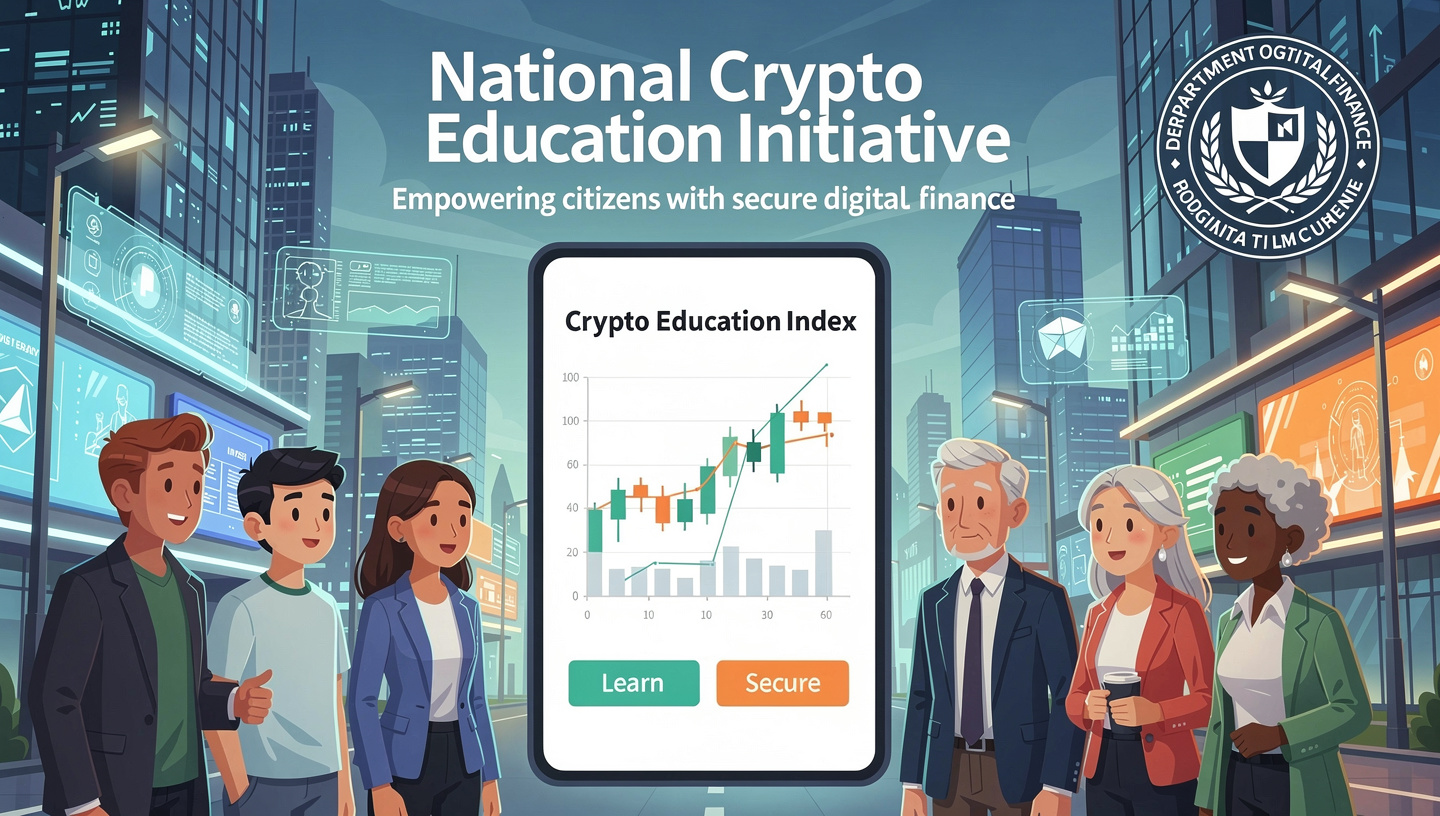
In the rapidly evolving landscape of digital finance, cryptocurrencies have emerged as one of the most disruptive and polarizing technologies of the 21st century. Once relegated to the fringes of digital experimentation, crypto assets now penetrate mainstream financial systems, regulatory debates, and public consciousness. However, despite accelerated adoption by individuals and institutions worldwide, a significant barrier remains: a pervasive lack of understanding. Governments across the globe are increasingly recognizing that without a solid foundation in crypto literacy, citizens remain vulnerable to misinformation, fraud, and uninformed decision-making.
This comprehensive article explores the phenomenon of government-led crypto education initiatives—a growing field situated at the intersection of public policy, digital financial innovation, and educational strategy. We will analyze why governments are investing in crypto education, the structures and methodologies being deployed, the measurable impacts, and the challenges faced by public actors in this domain. By synthesizing research, policy documents, academic perspectives, and implementation case studies, this article seeks to serve as both a foundational primer and an authoritative reference for educators, policymakers, industry professionals, and curious citizens alike.
1. Defining Crypto Education: What Governments Are Trying to Teach
Crypto education refers to structured efforts to inform people about digital assets, the technologies underpinning them, and the broader financial and regulatory ecosystems in which they operate. When governments engage in this arena, the objectives often include:
- Enhancing public understanding of digital currency fundamentals (e.g., Bitcoin, Ethereum, stablecoins)
- Teaching the principles of blockchain and distributed ledger technologies
- Clarifying legal, tax, and compliance implications of using and investing in crypto
- Promoting awareness of cyber-security and fraud risks
- Empowering citizens to engage with digital finance responsibly
Importantly, crypto education goes beyond technical instruction; it encompasses financial literacy, critical thinking, digital citizenship, and consumer safeguards.
2. Why Governments Are Investing in Crypto Literacy
There are several compelling drivers behind government involvement in crypto education:
a. Consumer Protection and Reducing Harm
Cryptocurrencies can be volatile and complex. Without basic knowledge, individuals risk financial loss, falling prey to scams, or violating tax and securities laws. Governments, accountable for public welfare, have a vested interest in reducing these harms through education.
b. Supporting Innovation and Economic Development
Some governments view crypto and blockchain as engines of economic growth. By educating their populations, they help build a talent pipeline that can support domestic startups, technology businesses, and global competitiveness.
c. Promoting Regulatory Compliance
Clarity around crypto regulation is still evolving. Educating citizens and businesses helps ensure compliance with anti-money laundering (AML), taxation, and securities regulations, thereby strengthening the integrity of national financial systems.
d. Digital Inclusion and Financial Access
In regions where traditional banking services are scarce, crypto can offer alternative avenues for financial participation. Governments invested in financial inclusion often integrate crypto education to empower underserved populations.
3. Global Landscape of Government-Led Initiatives
The approaches governments take vary widely, reflecting differing regulatory environments, financial ecosystems, and cultural attitudes toward digital assets.
North America
In the United States and Canada, federal agencies and state/provincial bodies have published guidance on cryptocurrencies alongside public outreach campaigns. Educational portals often emphasize risk awareness, fraud prevention, and tax compliance.
Europe
European Union member states have seen coordinated efforts under frameworks like the Markets in Crypto-Assets Regulation (MiCA). Education programs tend to focus on aligning citizens with emerging legal standards and cross-border financial services.
Asia-Pacific
Countries such as Singapore, Japan, and South Korea have embraced crypto education as part of broader innovation strategies. Government-backed academies, research centers, and digital courses are common, often in partnership with universities.
Latin America and the Caribbean
With high remittance flows and inflation concerns, nations like El Salvador and Brazil have initiated campaigns to educate citizens on crypto use for remittances and savings.
Africa and the Middle East
In regions experiencing rapid mobile money adoption, governments in Kenya, Nigeria, and the UAE are exploring crypto literacy programs to leverage digital finance while addressing regulatory and security challenges.
4. Models of Implementation: Strategies and Structures
Government crypto education programs differ in methodology, but several common models have emerged:
Public Curriculum Development
Some countries integrate crypto literacy into formal education, especially within economics, computer science, and financial literacy classes.
Partnerships with Academia and Industry
Collaborations with universities, fintech companies, and research institutions allow for deeper content development and certification programs.
Digital Platforms and Accessibility
Online courses, interactive e-learning modules, videos, and webinars make educational content widely accessible and scalable.
Public Campaigns and Mass Outreach
Media campaigns, public service announcements, and community events can raise broad awareness and spark interest among non-technical audiences.
5. Key Competencies in Government Crypto Education Programs
Effective crypto education encompasses several core domains:
Understanding Blockchain Technology
Explaining decentralized networks, consensus mechanisms, smart contracts, and tokenization without unnecessary technical jargon.
Financial Literacy and Risk Awareness
Teaching asset diversification principles, volatility risks, and informed decision-making around investment and savings.
Regulatory and Legal Frameworks
Clarifying local laws governing crypto transactions, taxation, securities classification, and consumer rights.
Ethics, Privacy, and Security
Addressing responsible participation in digital ecosystems, protection against hacks, safeguarding private keys, and protecting personal information.
6. Case Studies: Successes and Lessons Learned
Case Study 1: Canada’s National Crypto Literacy Campaign
In recent years, Canada’s financial regulatory agencies launched an educational portal offering structured courses, risk alerts, and consumer guidance. Metrics show increased public engagement with official resources, likely contributing to more informed investment decisions and reduced fraud reports.
Case Study 2: Singapore’s Blockchain Education Framework
Singapore’s Monetary Authority partnered with universities to create accredited courses on blockchain for policymakers and industry leaders. These programs have strengthened local talent ecosystems and attracted foreign investment.
Case Study 3: Kenya’s Community Crypto Workshops
Grassroots workshops across Kenyan counties educate rural and urban populations on stablecoin use for remittances, digital wallets, and risk mitigation. Early feedback indicates improved financial inclusion and adoption of secure digital practices.
7. Measuring Impact: Evaluation and Outcomes
Evaluating government crypto education involves tracking:
- Enrollment and completion rates in courses or digital platforms
- Shifts in public knowledge and confidence via surveys
- Changes in fraud and scam reporting over time
- Regulatory compliance statistics
- Economic indicators tied to innovation and adoption
Research indicates that targeted education significantly improves awareness, responsible engagement, and risk avoidance among participants.
8. Challenges and Criticisms of Government Crypto Education
Despite progress, several challenges persist:
- Rapid technological change: Curriculum development struggles to keep pace with innovation.
- Resource constraints: Not all governments have the institutional capacity to develop high-quality programs.
- Public skepticism: Crypto remains polarizing, making engagement difficult.
- Access inequality: Digital divides hinder equitable participation.
Critics also argue that some government efforts risk becoming overly focused on compliance rather than empowerment, stifling innovation in the process.
Conclusion
Government-led crypto education initiatives embody a pivotal response to the challenges and opportunities presented by digital assets. By fostering informed participation, protecting consumers, and supporting innovation, these programs play a critical role in shaping equitable and resilient financial futures. As crypto ecosystems continue to evolve, the public sector’s commitment to education will remain a cornerstone of responsible and inclusive digital transformation.