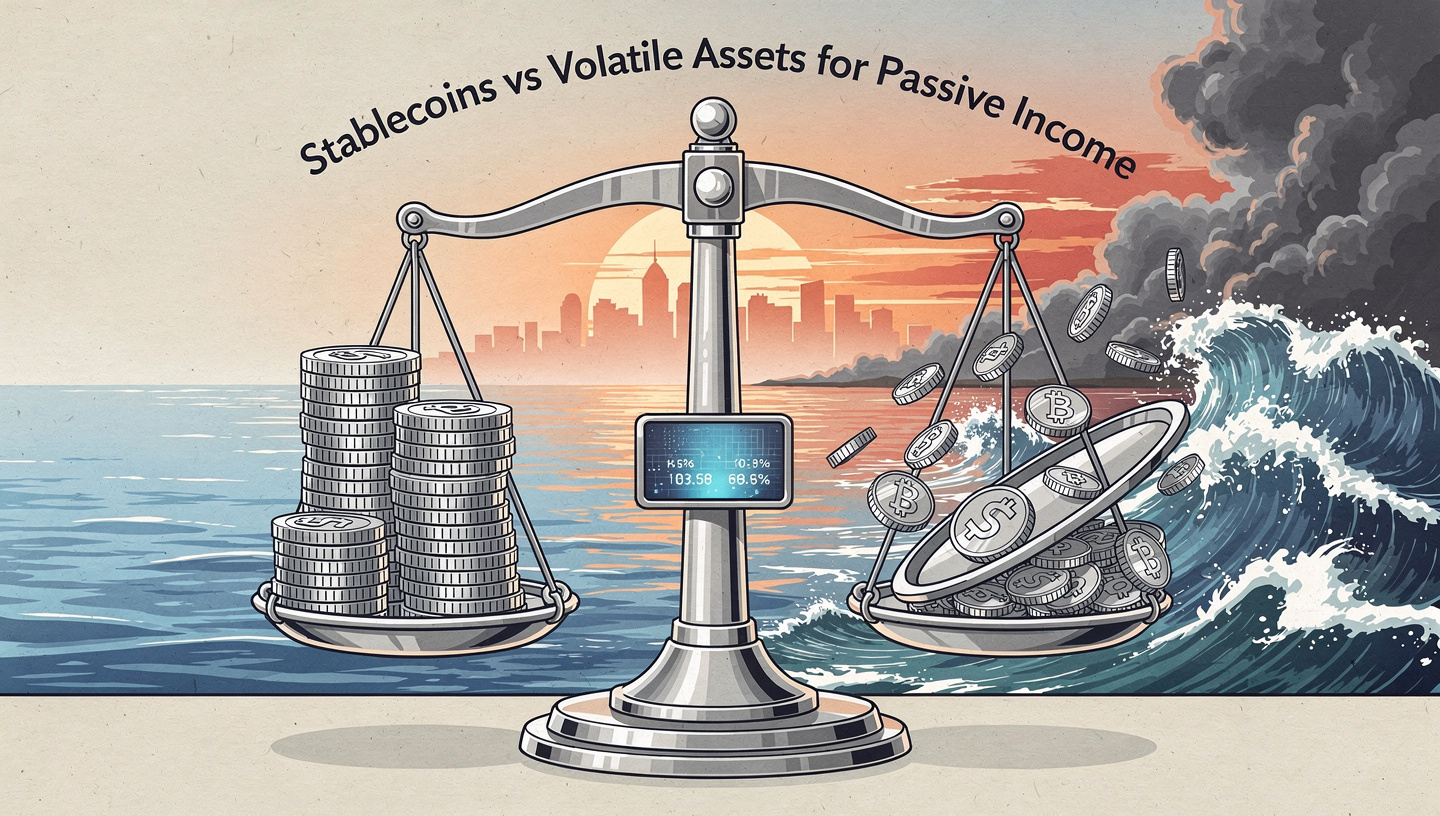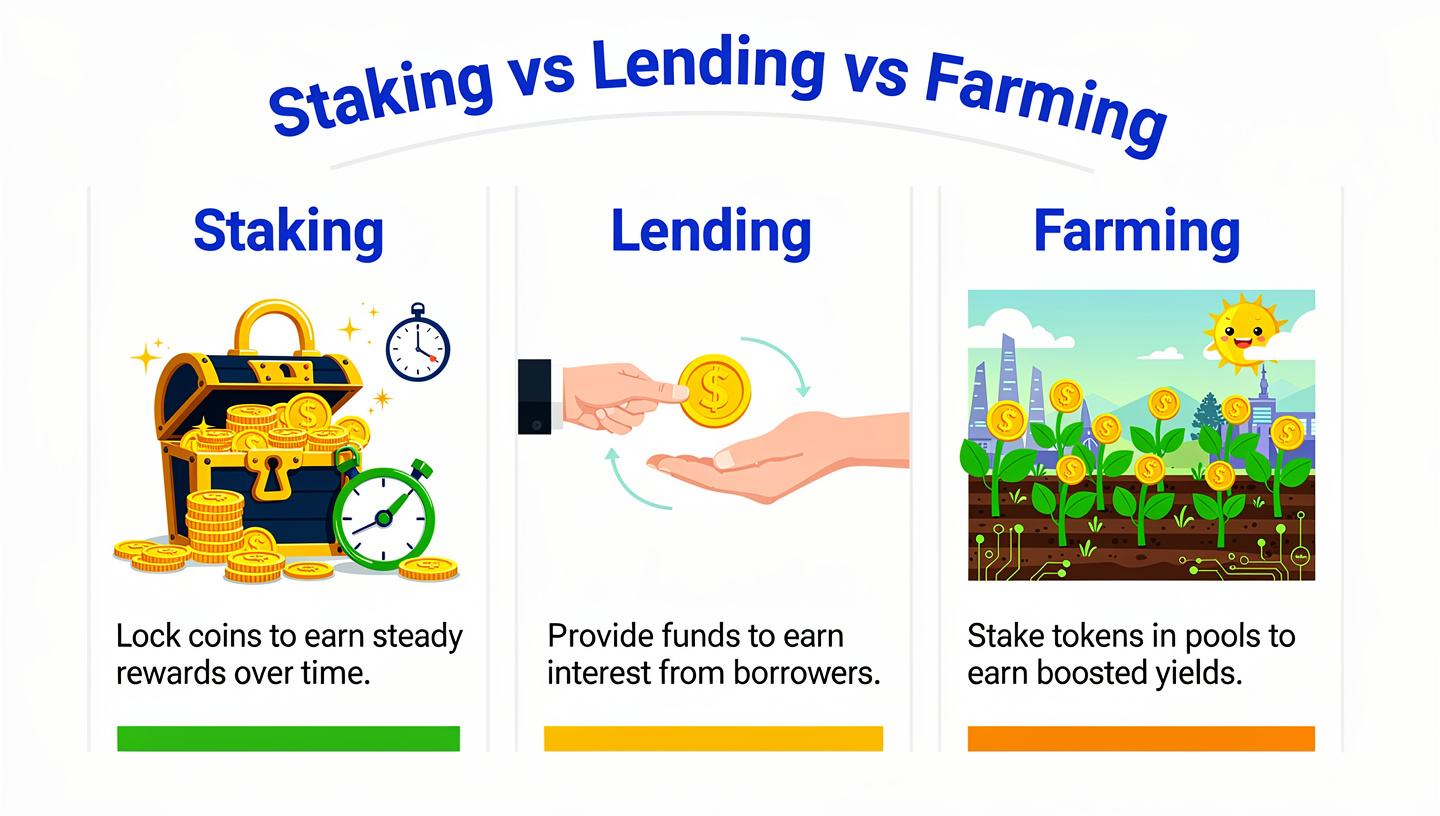
The most dangerous idea in meme coin trading is not “this will go to zero”.
It is “there is a correct time to enter.”
Most traders frame meme coin participation as a timing problem—early versus late, fast versus slow, insiders versus retail. This framing is incomplete. Meme coins are not linear financial instruments. They are reflexive systems driven by attention, asymmetric information, and liquidity engineering. Entry timing matters, but not in the simplistic way social media implies.
The real question is not when you enter, but what type of risk you are buying at that moment.
Early entry and late entry expose traders to fundamentally different failure modes. One does not replace the other. They are not mirrors. They are separate games, governed by different incentives, different exploit vectors, and different mathematical expectations.
This article breaks down those differences with precision—without romanticizing “early alpha” or mocking “late retail.” The objective is survival, not bravado.
Understanding Meme Coins as Reflexive Markets
Before comparing early and late entry, it is necessary to establish a correct mental model.
Meme coins are not valued assets. They are attention-liquidity conversion machines.
Their lifecycle typically follows a compressed sequence:
- Creation Phase – Contract deployment, initial liquidity, token distribution
- Ignition Phase – Attention seeding via Telegram, X, Discord
- Expansion Phase – Rapid price discovery driven by speculative demand
- Distribution Phase – Early holders exit into rising liquidity
- Decay Phase – Attention collapses, liquidity drains, price follows
Each phase redistributes risk. Entry timing determines which phase’s risks you inherit.
What “Early Entry” Actually Means (and What It Does Not)
Early entry is often marketed as:
- Being first
- Buying at the lowest price
- Accessing “insider” upside
In reality, early entry usually means:
- Trading before price discovery exists
- Trading before social consensus forms
- Trading while code risk and control risk are maximal
Early entry is not cheap risk. It is unpriced risk.
The Risk Stack of Early Entry
1. Smart Contract and Control Risk
At early stages, the contract is often:
- Unverified
- Upgradeable
- Owned by deployer wallets
- Embedded with hidden restrictions
These include:
- Transfer blocks
- Blacklists
- Adjustable taxes
- Mint functions
- Liquidity control mechanisms
At this stage, price is irrelevant. A 10x entry means nothing if the exit is structurally impossible.
Early traders are not betting on price appreciation. They are betting on developer restraint.
That is not speculation—it is trust.
2. Liquidity Asymmetry Risk
Early liquidity is thin and highly manipulable.
A single wallet can:
- Collapse price by removing liquidity
- Artificially inflate price with minimal capital
- Trap buyers via honeypots or soft sell restrictions
Early entrants are exposed to binary liquidity events, not gradual volatility.
There is no “stop loss” in illiquid environments. There is only execution or failure.
3. Information Monopoly Risk
Early entry occurs when information is concentrated:
- The deployer knows the tokenomics
- The deployer controls the narrative
- External verification tools lag behind deployment
Early traders operate with inferior information by definition.
Contrary to popular belief, early traders are not insiders. They are uninformed liquidity providers unless they personally audited the contract or deployed it themselves.
4. Psychological Overconfidence
Early entry rewards survivorship bias.
A single successful early trade can distort risk perception permanently, leading to:
- Oversized positions
- Reduced diligence
- Blind pattern matching
Early traders often confuse luck with skill, especially in upward-only microcycles.
This is one of the most consistent causes of long-term capital erosion.
What “Late Entry” Actually Means
Late entry is framed online as:
- Buying the top
- Being exit liquidity
- Missing the real move
This framing is lazy.
Late entry means:
- Entering after price discovery
- Entering after social proof exists
- Entering after some risks have already resolved
Late entry does not eliminate risk. It transforms it.
The Risk Stack of Late Entry
1. Distribution Risk
Late entrants are primarily exposed to:
- Whale exits
- Team sell-offs
- Gradual liquidity drainage
Unlike early entry, failure here is often slow and deceptive.
Price may hold or even rise while net liquidity declines. Volume disguises distribution. Social engagement masks exhaustion.
Late traders often lose not because of sudden collapse, but because they underestimate how long distribution can last.
2. Narrative Decay Risk
Meme coins are powered by attention momentum.
Late entry coincides with:
- Narrative saturation
- Meme exhaustion
- Audience fatigue
At this stage, upside requires new buyers, not just holding behavior.
Once narrative velocity slows, price becomes structurally fragile—even if no malicious behavior exists.
3. Liquidity Illusion
High market caps and large volumes create a false sense of safety.
However:
- Liquidity may be fragmented across pools
- Volume may be wash-traded
- Depth may vanish during sell pressure
Late entrants often assume liquidity is stable because it was visible yesterday.
In meme coins, liquidity is conditional, not permanent.
4. Emotional Timing Risk
Late entry traders are more exposed to:
- FOMO
- Social proof bias
- Confirmation loops
They are less likely to question fundamentals because the market appears to validate the trade.
This leads to delayed exits and rationalization during drawdowns.
Early vs. Late Entry: A Comparative Risk Matrix
| Risk Category | Early Entry | Late Entry |
|---|---|---|
| Contract Risk | Extreme | Reduced |
| Liquidity Manipulation | High | Moderate |
| Information Asymmetry | Severe | Lower |
| Distribution Risk | Low | High |
| Narrative Collapse | Low | High |
| Psychological Bias | Overconfidence | FOMO |
There is no superior position—only different exposure profiles.
Why Most Traders Fail at Both
The failure is not timing. It is misaligned strategy.
Common mistakes include:
- Using early-entry position sizing with late-entry certainty assumptions
- Expecting late-entry volatility behavior from early-stage assets
- Holding early entries like long-term investments
- Treating late entries as quick flips without exit discipline
Survival requires matching position size, holding time, and expectations to the specific phase of the meme coin lifecycle.
Survival Framework: Phase-Aligned Trading
For Early Entry Traders
Survival requires:
- Minimal capital allocation per trade
- Contract verification as a prerequisite, not an afterthought
- Immediate profit-taking discipline
- Zero emotional attachment to narratives
Early entry is not about catching moonshots. It is about avoiding terminal losses.
For Late Entry Traders
Survival requires:
- Liquidity monitoring over price monitoring
- Exit planning before entry
- Acceptance of capped upside
- Rapid response to narrative decay
Late entry is not about believing harder. It is about leaving earlier.
The Myth of the “Perfect Entry”
There is no safe side in meme coins.
Early entry trades uncertainty.
Late entry trades exhaustion.
Both are hostile environments.
The only edge available to retail traders is risk selection, not prediction.
Those who survive are not faster, earlier, or louder. They are more selective about which risks they accept and ruthless about rejecting the rest.
Survival Is the Alpha
Meme coins do not reward intelligence.
They do not reward conviction.
They do not reward loyalty.
They reward risk containment.
If you are choosing between early and late entry, you are already asking the wrong question. The correct question is:
“Which failure mode am I prepared to absorb without destroying my capital?”
Answer that honestly, and timing becomes secondary.
Ignore it, and timing will not save you.