Compliance is the hidden architecture of the crypto industry. Behind every exchange interface, custody solution, DeFi protocol, token issuance, or stablecoin lies a dense lattice of regulatory obligations, legal opinions, reporting systems, monitoring software, and governance procedures. These systems do not produce yield, throughput, or block confirmations. They do not reduce latency or increase transaction capacity. Yet without them, large-scale crypto businesses cannot operate in regulated markets.
As digital assets evolved from experimental cryptographic money to a multi-trillion-dollar asset class, regulators responded. What began with informal guidance from agencies such as the U.S. Securities and Exchange Commission and the Financial Crimes Enforcement Network has expanded into comprehensive frameworks like the European Union’s Markets in Crypto-Assets Regulation. Similar regimes now exist or are emerging in jurisdictions across Asia, the Middle East, and Latin America.
The result is clear: compliance has become one of the largest and fastest-growing cost centers in the crypto industry.
This article provides a detailed, research-oriented analysis of compliance costs in the crypto sector. It examines the structural drivers of these costs, their components, jurisdictional differences, sector-specific burdens (exchanges, custodians, DeFi protocols, stablecoin issuers, NFT platforms), and the strategic implications for market structure, innovation, and consolidation.
1. What “Compliance Costs” Actually Mean in Crypto
Compliance costs in the crypto industry include all financial and operational expenditures required to meet regulatory, supervisory, and legal obligations. These costs fall into several categories:
- Regulatory Licensing and Registration
- Legal Advisory and Structuring
- Anti-Money Laundering (AML) and Know Your Customer (KYC) Systems
- Transaction Monitoring and Blockchain Analytics
- Cybersecurity and Operational Controls
- Capital and Reserve Requirements
- Audit and Reporting
- Ongoing Supervisory Interaction
- Enforcement Risk Management and Litigation
- Opportunity Costs from Regulatory Constraints
Unlike traditional finance, crypto firms frequently operate across multiple jurisdictions from inception. That multiplies regulatory exposure and increases complexity exponentially.
2. Licensing and Regulatory Authorization: The Entry Barrier
2.1 Jurisdictional Fragmentation
Crypto compliance costs are heavily influenced by jurisdictional fragmentation. A crypto exchange operating globally may need:
- Money transmitter licenses (U.S. state-level)
- Virtual asset service provider (VASP) registrations (EU and Asia)
- Payment institution licenses
- Electronic money institution licenses
- Broker-dealer licenses (if tokens are securities)
- Custodian approvals
In the United States, firms must navigate both federal regulators (e.g., SEC, CFTC, FinCEN) and state-level authorities. For example, obtaining a BitLicense from the New York State Department of Financial Services involves substantial documentation, cybersecurity audits, capital planning, and supervisory review.
In the EU, MiCA centralizes certain requirements but still requires national authorization through competent authorities in member states.
2.2 Direct Licensing Costs
Direct costs include:
- Application fees
- Legal drafting
- Policy development
- Compliance manual creation
- Regulatory capital deposits
Estimates vary, but full multi-jurisdictional licensing for a major exchange can exceed several million dollars before operations begin.
2.3 Time as Cost
Regulatory approval processes often take 6–24 months. During this period, companies incur payroll, legal, and technology expenses without revenue generation. The capital inefficiency is significant.
3. AML and KYC: The Core Compliance Engine
AML and KYC obligations are the single largest recurring compliance cost category in centralized crypto businesses.
3.1 Global AML Frameworks
Crypto AML requirements are largely shaped by standards from the Financial Action Task Force (FATF). FATF’s “Travel Rule” requires virtual asset service providers to collect and transmit customer information during transfers above certain thresholds.
3.2 KYC Infrastructure
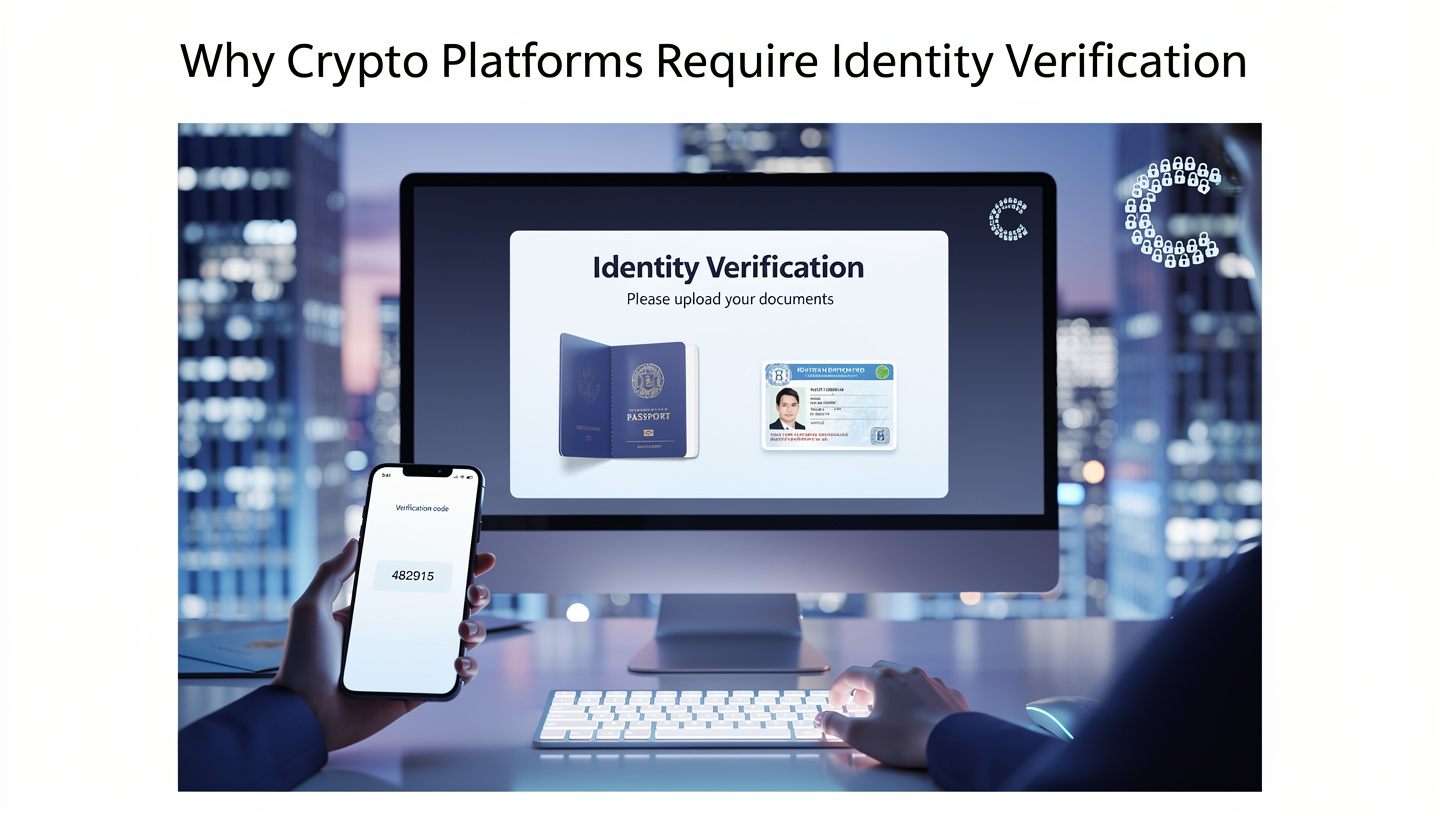
KYC systems require:
- Identity verification vendors
- Document authentication tools
- Biometric verification
- Politically Exposed Person (PEP) screening
- Sanctions list monitoring
Integration with global sanctions lists (e.g., OFAC lists administered by the U.S. Department of the Treasury) adds complexity and ongoing update requirements.
3.3 Transaction Monitoring
Blockchain transparency does not eliminate AML obligations. Exchanges and custodians must:
- Deploy blockchain analytics software
- Score wallet risk levels
- Flag suspicious activity
- File Suspicious Activity Reports (SARs)
These services are expensive, particularly for high-volume exchanges.
3.4 Staffing
Compliance departments often include:
- Chief Compliance Officer
- AML officers
- Sanctions specialists
- Investigators
- Regulatory reporting teams
For mid-sized exchanges, compliance headcount can rival engineering teams.
4. Legal Classification Risk: Securities vs Commodities vs Payments
A unique driver of crypto compliance cost is classification ambiguity.
Is a token a security? A commodity? A payment instrument? A derivative?
In the U.S., disputes between the SEC and the Commodity Futures Trading Commission have created compliance uncertainty. Firms must often secure multiple legal opinions to assess:
- How a token issuance is structured
- Whether secondary trading creates securities exposure
- Whether staking programs resemble investment contracts
The cost of obtaining external counsel from top-tier law firms can run into hundreds of thousands of dollars for major token launches.
5. Stablecoin Compliance: Reserve, Disclosure, and Banking Costs
Stablecoin issuers face a distinct compliance burden.
5.1 Reserve Transparency
Regulators increasingly require:
- Monthly reserve attestations
- Independent audits
- Public reporting
- Liquidity stress testing
These requirements impose accounting, audit, and operational costs that resemble money market fund oversight.
5.2 Banking Relationships
Maintaining fiat reserves requires partnerships with regulated banks. Compliance review by banking partners adds another layer of due diligence, reporting, and restrictions.
In the U.S., scrutiny from regulators such as the Office of the Comptroller of the Currency affects banking access for crypto firms.
5.3 Cross-Border Risk
Stablecoins operating globally must consider capital controls, payment regulations, and sanctions compliance across multiple jurisdictions.
6. DeFi and the Compliance Paradox
Decentralized finance (DeFi) introduces a structural compliance paradox.
6.1 No Central Operator?
Protocols deployed on public blockchains may lack centralized operators. However, regulators increasingly examine:
- Governance token holders
- Core developers
- Front-end operators
- DAO structures
Enforcement actions against decentralized protocols indicate that regulatory exposure remains even without a formal corporate structure.
6.2 Compliance by Interface
Some DeFi front-ends now implement:
- Geo-blocking
- Wallet screening
- Transaction filtering
These measures create engineering and legal compliance costs even in ostensibly decentralized systems.
7. Cybersecurity and Operational Controls
Compliance in crypto extends beyond AML and licensing.
Regulators increasingly require:
- Penetration testing
- SOC 2 audits
- Key management protocols
- Cold storage requirements
- Incident reporting procedures
Cybersecurity budgets are often classified as compliance expenditure because failure can trigger regulatory penalties.
8. Audit, Reporting, and Financial Transparency
8.1 Financial Reporting
Publicly listed crypto companies must comply with accounting standards (GAAP or IFRS). Accounting for digital assets remains complex due to impairment treatment and valuation methodology.
8.2 Proof-of-Reserves
Following exchange collapses, market expectations shifted toward proof-of-reserves attestations. While not always legally mandated, they create audit and assurance costs.
8.3 Regulatory Reporting
Ongoing reporting includes:
- Transaction volume disclosures
- Capital adequacy filings
- Suspicious activity reports
- Consumer complaint tracking
These are recurring operational expenses.
9. Enforcement and Litigation Risk
Compliance cost includes preparation for enforcement risk.
Legal defense against investigations from agencies such as the SEC can cost tens of millions of dollars. Even absent violations, responding to subpoenas, document requests, and testimony demands imposes heavy financial and managerial burdens.
Litigation reserves must be factored into compliance budgeting.
10. Capital Requirements and Opportunity Costs
Some jurisdictions impose capital requirements for crypto exchanges or custodians. Capital tied up to satisfy regulatory requirements cannot be deployed elsewhere.
This creates:
- Reduced liquidity flexibility
- Lower capital efficiency
- Higher cost of capital
Opportunity cost is often overlooked but economically significant.
11. Geographic Arbitrage and Regulatory Competition
Compliance costs vary dramatically across jurisdictions.
11.1 Regulatory Heavyweights
- United States
- European Union (MiCA)
- United Kingdom
- Singapore
These markets offer credibility but high compliance cost.
11.2 Emerging Jurisdictions
Some jurisdictions provide lighter regulatory regimes to attract crypto businesses. However:
- Banking access may be limited
- Reputational risk increases
- Institutional investors may hesitate
Firms must weigh lower upfront compliance costs against long-term strategic constraints.
12. Market Structure Effects of Compliance Costs
Compliance costs reshape the crypto industry in several ways:
12.1 Consolidation
High regulatory costs favor large incumbents with capital reserves. Smaller startups struggle to absorb multimillion-dollar compliance burdens.
12.2 Institutionalization
As compliance frameworks mature, traditional financial institutions enter the market. They possess pre-existing compliance infrastructure, giving them competitive advantages.
12.3 Reduced Experimentation
Early crypto innovation thrived in regulatory gray zones. Increased compliance requirements reduce experimentation in token design, yield products, and cross-border services.
13. Compliance Technology (RegTech) as an Industry
The growth of compliance burdens has created a secondary industry: crypto regulatory technology (RegTech).
Services include:
- Blockchain analytics
- Identity verification
- Travel Rule messaging systems
- Automated reporting tools
Compliance outsourcing partially offsets internal staffing costs but introduces vendor dependency and subscription expenses.
14. The Economics of Compliance: Fixed vs Variable Costs
Compliance costs are primarily fixed rather than variable. Once a compliance infrastructure is built, marginal transaction cost decreases.
This dynamic:
- Encourages scale
- Rewards high-volume platforms
- Disadvantages small competitors
Compliance thus acts as an economic moat.
15. The Future of Crypto Compliance Costs
Several trends will shape future costs:
- Regulatory harmonization (e.g., MiCA implementation)
- Expanded AML obligations for self-hosted wallets
- Greater stablecoin oversight
- ESG reporting expectations
- Integration with central bank digital currency frameworks
If harmonization succeeds, duplicative licensing may decline. However, reporting intensity is likely to increase.
Conclusion: Compliance as Structural Reality
Compliance costs in the crypto industry are no longer peripheral. They are structural, capital-intensive, and strategically determinative.
They influence:
- Market entry barriers
- Competitive positioning
- Product design
- Geographic expansion
- Institutional participation
As crypto transitions from experimental infrastructure to regulated financial architecture, compliance becomes not merely a defensive cost but a strategic asset. Firms that treat compliance as integrated governance—rather than regulatory overhead—are better positioned for longevity.
The era of minimal oversight in crypto has ended. The economics of compliance now shape the industry as profoundly as cryptography itself.