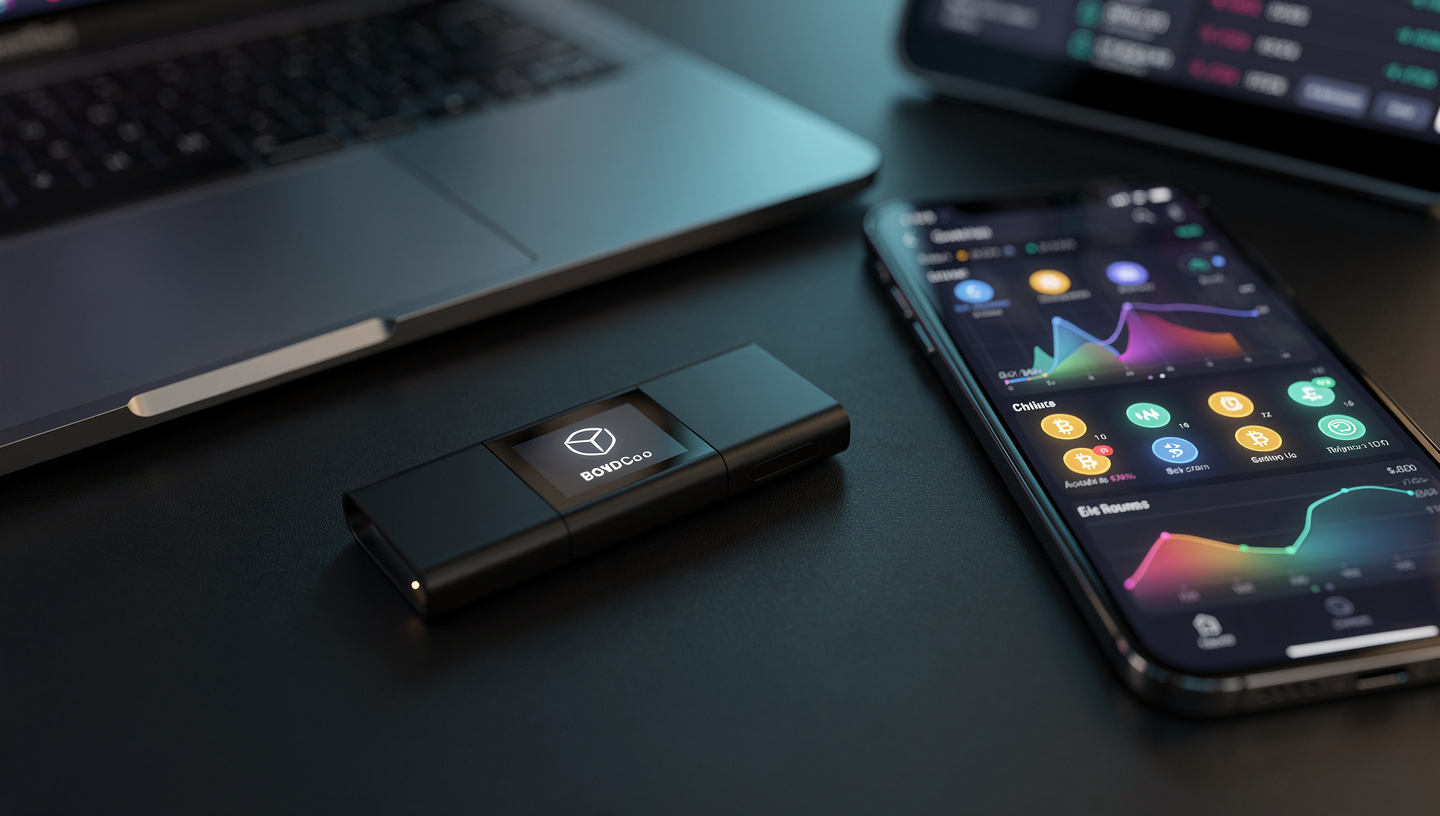
Cryptocurrency wallets sit at the structural core of the digital asset ecosystem. They are the technical gateway through which users generate private keys, sign transactions, store tokens, and interact with decentralized protocols. Whether in the form of browser extensions like MetaMask, hardware devices such as Ledger, or custodial exchange wallets operated by Coinbase, wallet providers facilitate control over billions of dollars in digital assets.
Yet a persistent legal question remains unresolved across jurisdictions: Are wallet providers legally responsible for losses, hacks, illicit transactions, regulatory breaches, or user misconduct?
The answer depends on several interlocking factors:
- Custodial vs. non-custodial architecture
- Control over private keys
- Regulatory classification under financial law
- Consumer protection standards
- AML/KYC obligations
- Product liability and negligence doctrines
- Smart contract integration risks
This article provides a comprehensive, research-driven analysis of wallet provider liability across major legal frameworks. It dissects regulatory classification, civil exposure, criminal implications, fiduciary duties, and emerging enforcement trends.
1. Understanding Wallet Providers: Technical and Legal Distinctions
Before assigning responsibility, one must define what a “wallet provider” is in legal terms.
1.1 Custodial Wallets
Custodial wallet providers hold private keys on behalf of users. Legally, this structure resembles:
- Bailment
- Trust arrangement
- Financial custody
- Deposit-like relationship
Examples include centralized exchanges such as Binance and Kraken.
Custodial control is decisive in liability analysis. Where a provider controls keys, courts frequently analogize the arrangement to asset custody in traditional finance.
1.2 Non-Custodial (Self-Custody) Wallets
Non-custodial wallets generate and store private keys on user devices. The provider does not possess keys. Examples include:
- MetaMask
- Trust Wallet
In these structures, the provider supplies software, not custody. The legal classification shifts from “financial intermediary” to “software publisher” or “technology provider.”
1.3 Hardware Wallets
Hardware wallets like those manufactured by Trezor and Ledger introduce product liability dimensions. The legal framework may resemble consumer electronics law rather than financial regulation.
2. Regulatory Classification: The First Determinant of Responsibility
Legal responsibility hinges on how regulators classify wallet providers.
2.1 United States: FinCEN and Money Transmitter Rules
The Financial Crimes Enforcement Network (FinCEN) distinguishes between:
- Custodial wallet providers → Money Services Businesses (MSBs)
- Non-custodial wallet software providers → Generally not MSBs
Under FinCEN guidance:
- Custodial providers must register
- They must implement AML programs
- They must report suspicious activity
Failure to comply can result in civil penalties and criminal exposure.
Non-custodial wallet developers, absent control over user funds, are typically not classified as money transmitters. This distinction is central.
2.2 European Union: MiCA and AMLD
Under the EU’s Markets in Crypto-Assets Regulation (MiCA), custody of crypto-assets constitutes a regulated service.
Custodial wallet providers:
- Must obtain authorization
- Must meet capital requirements
- Must implement governance safeguards
Non-custodial wallet providers are generally outside MiCA’s custody regime, though AML directives may still apply in certain contexts.
2.3 United Kingdom: FCA Approach
The Financial Conduct Authority requires registration for firms carrying on cryptoasset exchange or custody services.
Pure software providers that do not control private keys are generally not within regulatory scope, though future expansion remains possible.
3. Civil Liability: When Are Wallet Providers Legally Liable?
Civil liability typically arises under four theories:
- Breach of contract
- Negligence
- Misrepresentation
- Product liability
3.1 Custodial Wallet Liability
Custodial providers may be liable for:
- Security failures
- Misappropriation
- Operational insolvency
- Failure to safeguard assets
Courts may analogize them to traditional custodians or trustees.
If a custodial wallet suffers a hack due to inadequate cybersecurity measures, plaintiffs may argue negligence under standard duty-of-care frameworks.
In bankruptcy scenarios, disputes often arise over whether assets are:
- Customer property
- Estate property
- Held in trust
The collapse of major custodial platforms has intensified judicial scrutiny of custody representations.
3.2 Non-Custodial Wallet Liability
For non-custodial wallets, liability is significantly narrower.
Since users control private keys, providers typically disclaim responsibility for:
- Lost seed phrases
- Phishing attacks
- User errors
- Smart contract losses
However, liability may arise if:
- The software contains exploitable vulnerabilities
- The provider misrepresents security features
- The wallet integrates malicious code
3.3 Hardware Wallet Product Liability
Hardware wallet manufacturers may face product liability claims if:
- Firmware defects compromise keys
- Supply chain vulnerabilities expose users
- Security claims prove materially false
Unlike custodial liability, this area falls under consumer protection and product safety law rather than financial regulation.
4. AML, Sanctions, and Illicit Finance: Regulatory Exposure
One of the most contentious issues is whether wallet providers must prevent illicit activity.
4.1 Sanctions Enforcement
The Office of Foreign Assets Control (OFAC) enforces U.S. sanctions laws.
Custodial providers must:
- Block sanctioned addresses
- Monitor transactions
- Report suspicious activity
Non-custodial wallet software providers generally lack transaction visibility and thus have limited enforcement capability. Imposing sanctions screening obligations on them would require architectural redesign.
4.2 AML Compliance Duties
Custodial wallets:
- Must implement KYC
- Conduct risk assessments
- File SARs
Failure exposes providers to enforcement actions, civil penalties, and reputational harm.
Non-custodial wallets are currently outside most AML frameworks, though regulatory pressure is increasing.
5. Smart Contract Integration and DeFi Risks
Modern wallets function as gateways to decentralized finance (DeFi). Users interact with:
- Lending protocols
- Decentralized exchanges
- NFT marketplaces
If a wallet integrates direct protocol interfaces and promotes specific dApps, liability questions arise:
- Did the wallet provider endorse the protocol?
- Did it perform due diligence?
- Were risks adequately disclosed?
Courts may evaluate whether integration transforms a neutral software tool into an active facilitator.
6. Consumer Protection and Disclosure Obligations
Wallet providers—particularly custodial ones—must ensure:
- Clear risk disclosures
- Transparent fee structures
- Accurate marketing claims
Misleading claims about “bank-level security” or “insured funds” may trigger regulatory enforcement.
Consumer protection law may apply even when financial regulation does not.
7. Criminal Liability
Criminal exposure is rare but possible.
Scenarios include:
- Intentional facilitation of money laundering
- Fraudulent misrepresentation
- Sanctions evasion
- Willful blindness
Criminal liability typically requires knowledge or reckless disregard.
8. Decentralization as a Liability Shield?
Some wallet projects argue that decentralization limits responsibility.
If:
- No entity controls the code
- Governance is distributed
- Updates are community-driven
Attribution becomes complex.
However, regulators examine:
- Who profits
- Who controls development
- Who markets the product
Formal decentralization does not automatically eliminate legal exposure.
9. Comparative Risk Matrix
| Wallet Type | Custody of Keys | Regulatory Exposure | Civil Liability Risk | AML Duties |
|---|---|---|---|---|
| Custodial Exchange Wallet | Yes | High | High | Yes |
| Hosted Custody Service | Yes | High | High | Yes |
| Non-Custodial Software | No | Low–Moderate | Limited | Typically No |
| Hardware Wallet | User controls | Low | Product liability | No |
10. Future Regulatory Trends
Several developments are emerging:
- Expansion of Travel Rule obligations
- Pressure to regulate unhosted wallets
- Increased cybersecurity standards
- Clarification of asset segregation rules
- Greater enforcement coordination across jurisdictions
Policy debates increasingly focus on whether non-custodial wallets should bear partial compliance obligations.
11. Key Determinants of Responsibility
Responsibility depends on:
- Control over private keys
- Degree of operational custody
- Regulatory classification
- Representations made to users
- Security standards implemented
- Jurisdictional framework
Control remains the decisive factor. Where control exists, liability follows.
Conclusion
The question “Are wallet providers responsible?” cannot be answered categorically. Responsibility exists on a spectrum defined by custody, control, representation, and regulatory classification.
Custodial wallet providers operate within financial regulatory regimes and bear substantial legal responsibility for safeguarding assets, preventing illicit activity, and maintaining operational integrity.
Non-custodial wallet providers function primarily as software publishers. Their liability is narrower but not nonexistent. Defective code, misleading marketing, and active facilitation of illicit conduct can create exposure.
As global regulation of digital assets matures, wallet providers will increasingly face formalized compliance obligations. The legal landscape is converging toward a principle already familiar in traditional finance: control determines responsibility.
In crypto law, architecture is not merely technical design—it is legal destiny.