Cryptocurrency markets operate on distributed networks, pseudonymous addresses, and programmable value transfer. These structural features have generated unprecedented financial innovation. They have also created fertile ground for fraud. As capital flows into digital assets through exchanges, decentralized protocols, token offerings, and wallet infrastructure, legal systems worldwide have responded by adapting long-standing fraud doctrines to blockchain-based conduct.
“Crypto fraud” is not a separate category of crime in most jurisdictions. It is the application of existing fraud, securities, consumer protection, anti-money laundering, and market manipulation laws to conduct involving digital assets such as Bitcoin and Ethereum. Courts and regulators treat cryptocurrencies as property, commodities, securities, or financial instruments depending on context. Fraud liability attaches not to the technology itself but to misrepresentation, deception, manipulation, and unlawful appropriation.
This article provides a comprehensive, research-oriented analysis of crypto fraud laws. It examines doctrinal foundations, regulatory enforcement frameworks, cross-border complexities, criminal and civil liability exposure, evidentiary issues, compliance obligations, and evolving legislative trends. The objective is clarity: how fraud law operates in digital asset markets, who faces liability, and how enforcement unfolds in practice.
1. Defining Crypto Fraud: Legal Foundations
1.1 Fraud as a Legal Concept
Across common law and civil law systems, fraud generally requires:
- A material misrepresentation or deceptive conduct
- Knowledge of falsity or reckless disregard
- Intent to induce reliance
- Actual reliance by the victim
- Damages resulting from reliance
These elements apply regardless of whether the asset involved is a share certificate, a derivatives contract, or a digital token recorded on a blockchain.
Fraud statutes are technology-neutral. What changes in crypto markets is the evidentiary trail and the financial infrastructure through which deception is executed.
1.2 Categories of Crypto Fraud
Crypto fraud typically manifests in the following categories:
- Investment fraud (fake token offerings, Ponzi schemes)
- Securities fraud (misstatements in token sales deemed securities)
- Market manipulation (pump-and-dump schemes)
- Exchange fraud (misuse of customer assets)
- DeFi protocol exploitation with deceptive representations
- NFT fraud
- Phishing and wallet theft schemes
- Stablecoin misrepresentation
Each category implicates different statutory regimes depending on jurisdiction.
2. Securities Fraud in Token Offerings
2.1 The Securities Law Trigger
When a token qualifies as a “security,” securities fraud statutes apply. In the United States, the legal test for determining whether a token is an investment contract derives from the Supreme Court decision in SEC v. W. J. Howey Co.. The Howey test considers whether there is:
- An investment of money
- In a common enterprise
- With an expectation of profits
- Derived from the efforts of others
If satisfied, securities laws govern issuance and trading.
2.2 Enforcement by the U.S. Securities Regulator
The U.S. Securities and Exchange Commission has pursued enforcement actions alleging:
- Misrepresentation in Initial Coin Offerings (ICOs)
- Failure to disclose material risks
- False statements about token utility
- Fraudulent promotional campaigns
Under Rule 10b-5 of the Securities Exchange Act, it is unlawful to employ any device to defraud, make untrue statements of material fact, or omit material facts necessary to make statements not misleading.
2.3 Criminal Securities Fraud
The U.S. Department of Justice can pursue parallel criminal charges where intent to defraud is provable beyond reasonable doubt. Criminal exposure includes imprisonment, asset forfeiture, and restitution.
3. Commodity Fraud and Derivatives Manipulation
Certain digital assets, particularly Bitcoin, are treated as commodities under U.S. law. The Commodity Futures Trading Commission asserts jurisdiction over fraud and manipulation involving spot and derivatives markets.
Commodity fraud includes:
- False statements in leveraged crypto trading schemes
- Wash trading to inflate market activity
- Spoofing in crypto derivatives markets
- Manipulation of futures prices linked to digital assets
The statutory basis includes the Commodity Exchange Act’s anti-fraud and anti-manipulation provisions.
4. Exchange Fraud and Custodial Misconduct
Centralized exchanges control private keys and customer assets. Fraud liability arises when operators:
- Misappropriate customer deposits
- Conceal insolvency
- Falsify reserve disclosures
- Engage in undisclosed proprietary trading against customers
Civil liability may include breach of fiduciary duty, fraud, and misrepresentation. Criminal liability may include wire fraud, securities fraud, and conspiracy.
A prominent enforcement example involved the collapse of FTX, whose founder Sam Bankman-Fried was prosecuted for fraud based on alleged misuse of customer assets and misleading statements to investors and users. The case illustrates how traditional fraud statutes apply directly to crypto intermediaries.
5. Ponzi Schemes and Investment Scams
Crypto markets have seen numerous Ponzi schemes structured around:
- Guaranteed returns from “trading bots”
- High-yield staking programs
- Referral-based token pyramids
- Cloud mining contracts with fabricated output
Fraud statutes require proof that returns were paid from new investor funds rather than legitimate revenue. Blockchain transparency does not shield operators; transaction analysis can trace fund flows.
Victims may pursue:
- Criminal restitution
- Civil fraud actions
- Class actions where available
- Regulatory compensation schemes in limited jurisdictions
6. Market Manipulation in Crypto Trading
6.1 Pump-and-Dump Schemes
These schemes involve coordinated price inflation through misleading promotional activity followed by rapid liquidation by insiders.
Key legal triggers:
- False or misleading promotional statements
- Coordinated trading to create artificial price signals
- Failure to disclose paid promotion arrangements
6.2 Wash Trading and Spoofing
Wash trading artificially inflates trading volume by executing trades between accounts under common control. Spoofing involves placing large orders without intent to execute.
Regulators analyze order book data, blockchain flows, and exchange logs to establish intent and pattern evidence.
7. DeFi Fraud and Smart Contract Deception
Decentralized finance introduces structural complexity. Liability analysis depends on:
- Whether identifiable promoters exercised control
- Whether governance tokens confer managerial authority
- Whether misrepresentations were made in whitepapers or marketing
- Whether liquidity was intentionally withdrawn (“rug pulls”)
Fraud claims may be brought against:
- Founders
- Core development teams
- DAO organizers (if identifiable)
- Front-end operators
Courts evaluate whether decentralization claims were genuine or marketing constructs masking centralized control.
8. NFT Fraud and Digital Asset Misrepresentation
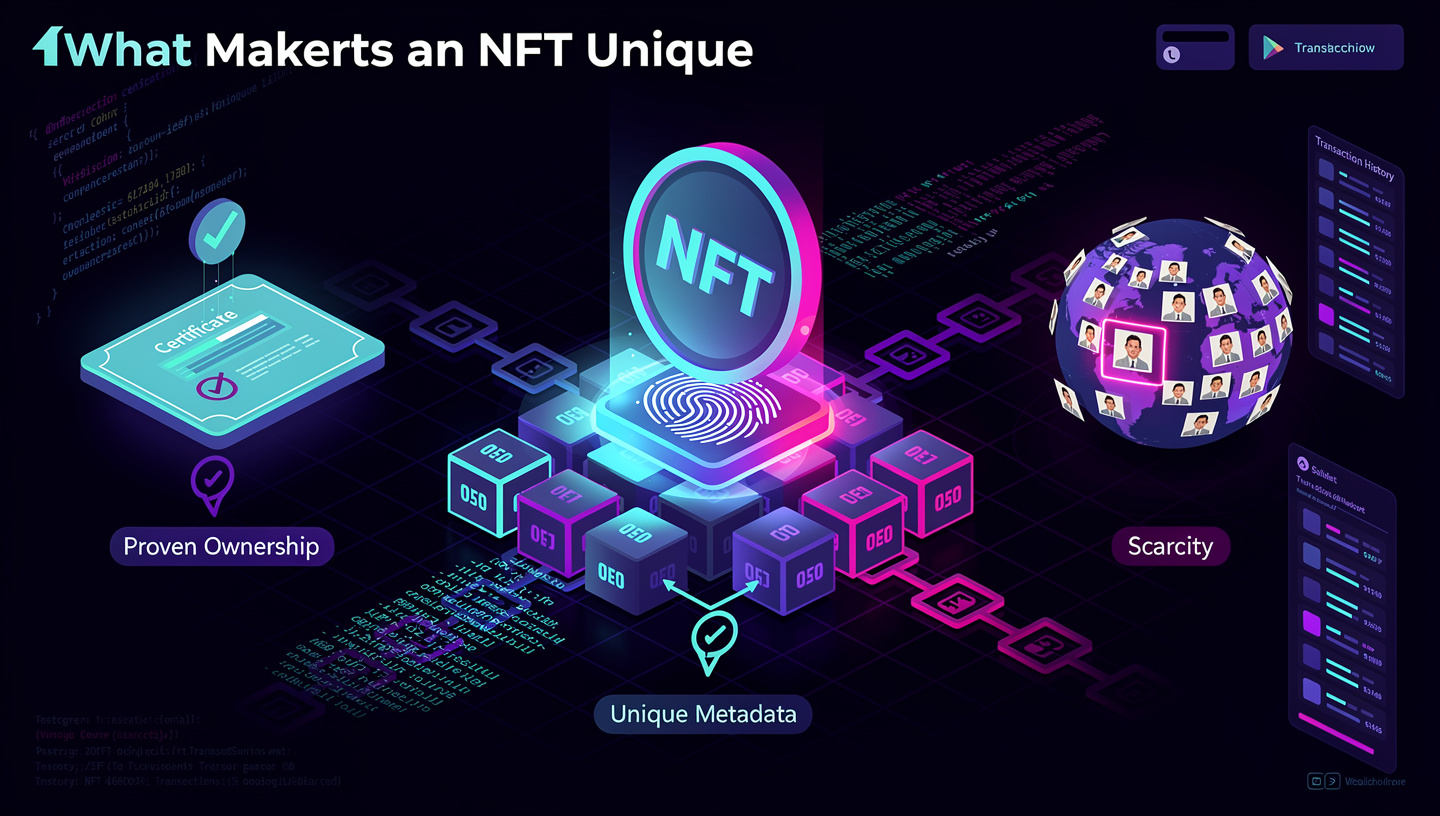
Non-fungible tokens (NFTs) raise fraud issues involving:
- False claims about intellectual property rights
- Misrepresentation of scarcity
- Artificial bidding to inflate prices
- Undisclosed conflicts of interest
Depending on structure, NFTs may fall under consumer protection or securities law frameworks.
9. Anti-Money Laundering and Fraud Overlap
Fraud frequently intersects with money laundering statutes. After unlawful acquisition, perpetrators attempt to obscure asset origin using:
- Mixing services
- Cross-chain bridges
- Privacy coins
- Layered transactions
Failure of exchanges and custodians to implement AML compliance can result in secondary liability or regulatory penalties.
10. Civil vs Criminal Crypto Fraud Proceedings
10.1 Criminal Prosecution
Criminal fraud requires proof beyond reasonable doubt. Consequences include:
- Incarceration
- Asset forfeiture
- Restitution orders
- Supervised release
10.2 Civil Enforcement
Regulators may seek:
- Injunctions
- Disgorgement
- Civil penalties
- Industry bans
Private litigants may seek compensatory and punitive damages.
Parallel proceedings are common.
11. Jurisdictional Challenges
Crypto fraud is inherently cross-border. Key legal questions include:
- Where was the misrepresentation made?
- Where did reliance occur?
- Where were victims located?
- Where were servers or corporate entities based?
Courts assess personal jurisdiction and subject-matter jurisdiction based on minimum contacts, targeted marketing, and transactional nexus.
International cooperation often involves mutual legal assistance treaties (MLATs) and cross-border asset freezing orders.
12. Evidentiary Issues in Blockchain Fraud
Blockchain evidence presents unique challenges:
- Attribution of wallet addresses to individuals
- Admissibility of blockchain analytics reports
- Authentication of digital communications
- Preservation of private key evidence
Courts increasingly accept expert testimony explaining blockchain tracing methodologies.
13. Liability of Intermediaries
13.1 Exchanges
Liability may arise for:
- Aiding and abetting fraud
- Failure to supervise
- Negligent misrepresentation
13.2 Influencers and Promoters
Undisclosed paid promotions can trigger securities fraud or deceptive advertising liability.
13.3 Developers
Developers face potential exposure if they:
- Retain control mechanisms
- Make misleading representations
- Conceal vulnerabilities
Pure open-source publication without control typically reduces liability risk.
14. Consumer Protection Statutes
General consumer protection laws prohibit unfair and deceptive acts or practices (UDAP). These apply to:
- Misleading token marketing
- False claims of regulatory approval
- Hidden fees in exchanges
- Misrepresentation of stablecoin reserves
Authorities can impose administrative fines and corrective measures.
15. Stablecoin Fraud Risks
Stablecoin issuers may face fraud allegations if:
- Reserve backing is misrepresented
- Redemption rights are falsely advertised
- Audits are misleading
Transparency, independent attestations, and reserve segregation are central to legal risk mitigation.
16. Cross-Border Regulatory Perspectives
16.1 United States
Multiple agencies assert overlapping jurisdiction, including the SEC, CFTC, DOJ, and FinCEN.
16.2 European Union
The Markets in Crypto-Assets (MiCA) framework standardizes disclosure and conduct rules, strengthening fraud enforcement across member states.
16.3 Asia-Pacific
Jurisdictions such as Singapore and Japan impose licensing and disclosure obligations on crypto intermediaries, with criminal penalties for misrepresentation.
17. Defenses in Crypto Fraud Cases
Common defenses include:
- Lack of intent
- Good-faith reliance on counsel
- Absence of material misrepresentation
- No reasonable reliance by victims
- Token not qualifying as a security
Outcome depends heavily on documentary evidence and communications.
18. Asset Recovery and Restitution
Victims pursue recovery through:
- Court-ordered forfeiture
- Bankruptcy proceedings
- Clawback litigation
- Civil asset tracing
Blockchain transparency assists tracing but recovery depends on custody status and jurisdictional reach.
19. Compliance Strategies for Crypto Businesses
Risk mitigation requires:
- Robust disclosure practices
- Clear risk statements
- Segregation of customer assets
- Independent audits
- Internal compliance programs
- AML/KYC enforcement
- Governance transparency
Preventive compliance is materially less costly than enforcement defense.
Conclusion: Law Follows Function
Crypto fraud laws are not new inventions. They are extensions of established legal principles to digital financial infrastructure. Whether assets exist as ledger entries or paper certificates is legally secondary. What matters is deception, misrepresentation, misuse of entrusted funds, and manipulation of markets.
Regulators and courts increasingly demonstrate that blockchain opacity is not immunity. Transactional transparency, forensic analytics, and international cooperation have materially strengthened enforcement capability.
For participants in digital asset markets—issuers, exchanges, developers, promoters, and investors—the operative principle is straightforward: technology does not displace fiduciary, disclosure, or anti-fraud obligations. Fraud liability attaches to conduct, not code.
Understanding crypto fraud laws is therefore not optional. It is a structural requirement for operating in decentralized finance without incurring catastrophic legal exposure.