The cryptocurrency sector promises speed, global reach, capital efficiency, and architectural innovation. It also exposes founders to one of the most complex and rapidly evolving legal landscapes in modern commerce. A crypto startup does not merely build software. It often operates at the intersection of financial regulation, securities law, commodities law, payments law, tax compliance, data protection, sanctions enforcement, and consumer protection.
Failure to navigate this terrain precisely can result in regulatory enforcement, civil liability, criminal exposure, asset freezes, exchange delistings, reputational collapse, and personal liability for founders and executives.
This article provides a comprehensive, research-oriented analysis of the legal risks of operating a crypto startup. It is structured for founders, operators, compliance officers, investors, and legal professionals who require clarity rather than marketing language. It explains the regulatory vectors, enforcement mechanisms, and structural risk patterns that define crypto law globally.
1. The Regulatory Fragmentation Problem
The first legal risk is structural: crypto does not fit neatly into existing regulatory categories, yet regulators do not treat it as legally neutral. Instead, different authorities assert jurisdiction based on functional interpretation.
In the United States, enforcement authority is divided among agencies such as:
- U.S. Securities and Exchange Commission (SEC)
- Commodity Futures Trading Commission (CFTC)
- Financial Crimes Enforcement Network (FinCEN)
- Internal Revenue Service (IRS)
- Office of Foreign Assets Control (OFAC)
Each interprets crypto assets through a different legal lens:
- Securities law
- Commodities law
- Money transmission law
- Tax law
- Sanctions law
This overlapping jurisdiction creates regulatory uncertainty. A token might simultaneously be:
- A security,
- A commodity,
- A taxable property asset,
- A money transmission instrument,
- Or a sanctions compliance vector.
A startup cannot assume regulatory silence equals regulatory safety. In crypto, silence often precedes enforcement.
2. Securities Law Risk
2.1 Token Classification Risk
The most significant legal exposure for many crypto startups is securities classification.
If a token qualifies as a security under the Howey test (investment of money in a common enterprise with expectation of profits from the efforts of others), then:
- Registration requirements apply.
- Disclosure obligations apply.
- Broker-dealer licensing may be required.
- Secondary trading restrictions may arise.
The SEC has pursued enforcement actions against token issuers, exchanges, and DeFi platforms on the basis that certain tokens were unregistered securities offerings.
Risk factors include:
- Pre-mines allocated to founders.
- Token sales funding development.
- Marketing emphasizing price appreciation.
- Governance structures centralized around core teams.
Even “utility tokens” can be classified as securities if economic reality suggests investment intent.
2.2 Exchange and Marketplace Risk
If a platform facilitates trading of tokens deemed securities, it may be required to register as:
- A national securities exchange,
- An alternative trading system,
- Or a broker-dealer.
Operating without registration creates civil and potentially criminal liability.
3. Commodities and Derivatives Risk
The CFTC has asserted that major cryptocurrencies such as Bitcoin and Ethereum are commodities. If a crypto startup offers:
- Futures,
- Options,
- Perpetual swaps,
- Margin trading,
- Leveraged tokens,
it may trigger derivatives regulation.
Unregistered derivatives platforms face severe penalties. The legal threshold is not branding but economic substance. If users can speculate on price movements with leverage, derivatives law may apply regardless of the technical architecture.
4. Money Transmission and AML Risk
Many crypto startups qualify as money services businesses under FinCEN guidance if they:
- Accept and transmit value,
- Operate custodial wallets,
- Facilitate token transfers on behalf of users.
This classification triggers:
- Registration requirements,
- Anti-money laundering (AML) programs,
- Know Your Customer (KYC) obligations,
- Suspicious activity reporting,
- Recordkeeping mandates.
Failure to comply can lead to enforcement actions and criminal liability.
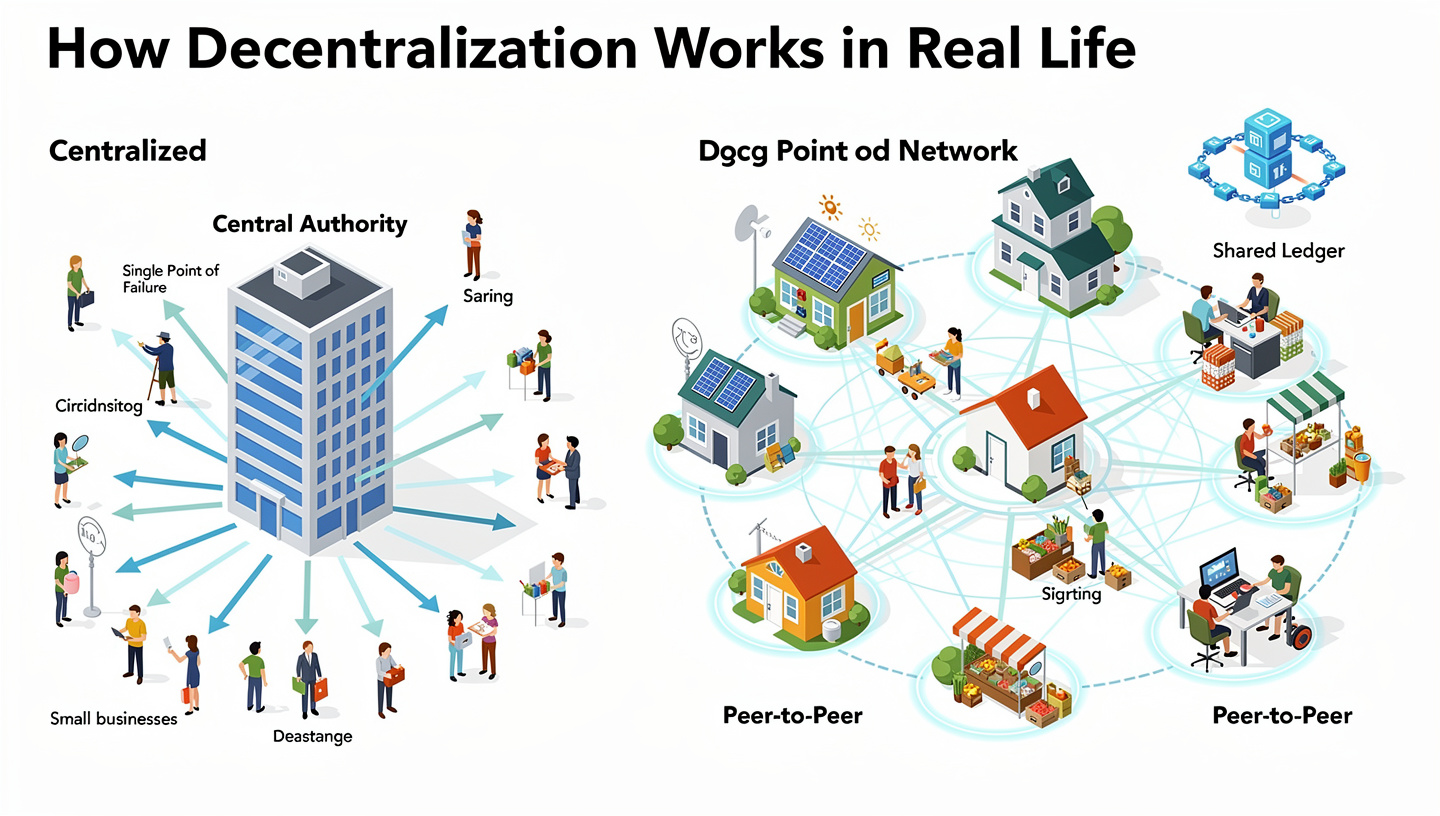
Even decentralized platforms may face AML scrutiny if there is sufficient operational control by identifiable developers or governance participants.
5. Sanctions and OFAC Exposure
Crypto transactions are not exempt from sanctions law.
OFAC has taken action against entities facilitating transactions with sanctioned jurisdictions or individuals. Smart contracts and decentralized protocols have also faced sanctions scrutiny when used to facilitate prohibited transactions.
Risk vectors include:
- Failure to screen wallet addresses.
- Interaction with sanctioned entities.
- Hosting front-end interfaces accessible in restricted jurisdictions.
Sanctions violations carry severe penalties, including asset freezes and criminal prosecution.
6. Taxation and Reporting Risk
Crypto is generally treated as property for tax purposes in the United States. This creates complex obligations:
- Capital gains tracking.
- Income recognition upon token issuance.
- Payroll implications for token compensation.
- International tax exposure for global teams.
Failure to properly account for token issuance and treasury management can produce material tax liabilities.
Additionally, reporting obligations for exchanges and brokers continue to evolve. A startup may become subject to extensive reporting rules without initially anticipating them.
7. Consumer Protection and Fraud Risk
Regulators increasingly apply consumer protection laws to crypto.
Misleading statements, inaccurate tokenomics disclosures, undisclosed risks, or overstated claims about decentralization may trigger enforcement.
Legal risk escalates when:
- Marketing emphasizes guaranteed returns.
- Risk disclosures are vague or incomplete.
- Security vulnerabilities are undisclosed.
Civil class actions are common in the crypto sector, especially after token price collapses.
8. Smart Contract and Code Liability
A recurring misconception in crypto is that “code is law.” Courts do not recognize this principle.
Smart contracts are subject to:
- Contract law,
- Tort law,
- Fraud statutes.
If a protocol malfunction results in user losses, plaintiffs may argue negligence, misrepresentation, or unjust enrichment.
Audits do not eliminate liability. They reduce exposure but do not transfer it.
Founders must assume that code errors are legal risks, not just technical failures.
9. Governance and DAO Liability
Decentralized Autonomous Organizations (DAOs) present novel liability structures.
If a DAO lacks formal legal entity status:
- Participants may be treated as general partners.
- Unlimited joint and several liability may apply.
- Governance token holders could face exposure.
Some jurisdictions allow DAO LLC structures to mitigate this risk, but governance design must align with formal entity law.
10. Data Protection and Privacy Risk
Crypto startups often collect personal data for KYC and compliance purposes. This triggers:
- GDPR obligations in the EU.
- Data protection laws in Asia.
- Cross-border data transfer restrictions.
Blockchain immutability conflicts with rights such as the “right to be forgotten.” This tension creates unresolved compliance challenges.
11. Cross-Border Regulatory Conflict
Crypto is global by default. Regulation is not.
A startup incorporated in one jurisdiction may face enforcement in another if:
- It has users there.
- Its website is accessible there.
- It conducts marketing targeting that jurisdiction.
Geofencing is not always sufficient protection.
The European Union’s Markets in Crypto-Assets framework under European Union introduces licensing and disclosure requirements across member states, significantly affecting global operations.
12. Banking and Financial Infrastructure Risk
Crypto startups depend on banking relationships. Banks may terminate services due to regulatory pressure or internal risk tolerance shifts.
Loss of banking access can:
- Halt fiat on-ramps.
- Freeze payroll.
- Trigger liquidity crises.
This is an operational risk with legal consequences.
13. Founder and Executive Personal Liability
Founders may face:
- Civil enforcement,
- Director and officer liability,
- Securities fraud claims,
- Criminal exposure for willful violations.
Limited liability structures do not protect against personal misconduct, fraud, or certain regulatory violations.
14. Enforcement Trends and Regulatory Strategy
Recent enforcement trends demonstrate:
- Increased scrutiny of centralized exchanges.
- Expanding application of securities law to token offerings.
- Aggressive AML enforcement.
- Sanctions enforcement in decentralized contexts.
Regulatory risk is not declining. It is intensifying and formalizing.
15. Risk Mitigation Framework
Operating legally in crypto requires:
15.1 Early Legal Structuring
Engage specialized counsel before token issuance.
15.2 Jurisdictional Strategy
Choose incorporation and licensing strategy aligned with business model.
15.3 Compliance Infrastructure
Implement:
- AML/KYC systems,
- Sanctions screening,
- Risk disclosures,
- Internal controls.
15.4 Documentation Discipline
Maintain:
- Legal opinions,
- Audit reports,
- Governance documentation,
- Risk disclosures.
15.5 Token Design Risk Review
Evaluate:
- Utility vs. investment characteristics,
- Emissions schedules,
- Governance concentration,
- Marketing language.
16. The Central Legal Reality
The core legal risk in operating a crypto startup is not technological failure. It is regulatory misclassification combined with underestimation of enforcement capacity.
Crypto does not exist outside law. It exists at the frontier of law, where regulators adapt traditional doctrines to new infrastructure.
Startups that treat compliance as an afterthought often convert regulatory uncertainty into enforcement inevitability.
Startups that treat compliance as a core architectural component retain optionality.
Conclusion
Operating a crypto startup entails navigating a fragmented, evolving, and multi-layered regulatory regime. Legal risk emerges from token classification, securities exposure, AML obligations, sanctions compliance, taxation, consumer protection, smart contract liability, DAO governance, data protection, and cross-border jurisdictional conflict.
The absence of explicit prohibition does not equate to legal safety. Regulatory analysis must precede product deployment, token issuance, or user acquisition.
Crypto innovation continues. Regulatory enforcement continues alongside it.
The defining question for any crypto startup is not whether innovation is possible. It is whether innovation can be structured within legal boundaries durable enough to survive regulatory scrutiny.
Those who understand this distinction endure. Those who ignore it eventually encounter it.