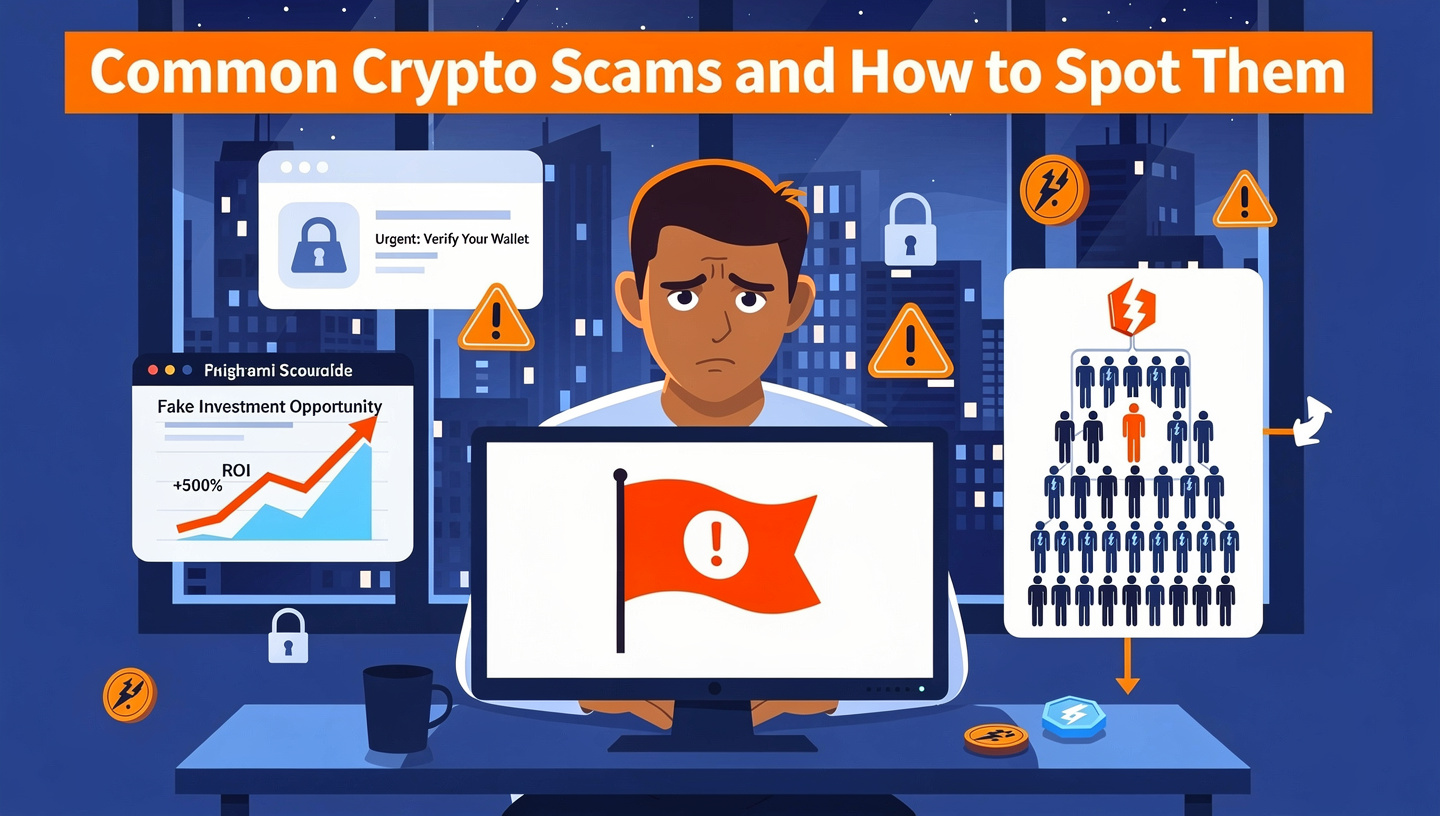
When people think about losing cryptocurrency, they imagine hackers.
Dark rooms. Hooded figures. Code scrolling down black screens. A single click and—poof—everything is gone.
That story is comforting.
Because if crypto losses are caused by hackers, then the problem is external. A villain. Bad luck. Something you couldn’t control.
But here’s the uncomfortable truth:
Most crypto is not lost to hackers.
It’s lost to people.
Not malicious people. Normal people. Smart people. Cautious people. Sometimes even experts.
This article is about those losses—the quiet ones. The ones that don’t make headlines. The ones that don’t involve exploits or breaches, but still end with an empty wallet and a sick feeling in your stomach.
Crypto doesn’t just disappear when it’s attacked.
It disappears when it’s misunderstood.
1. Forgetting: The Most Human Failure Mode
Crypto has a cruel feature no bank ever dared to offer:
perfect memory with zero forgiveness.
If you forget your private keys or recovery phrase, no one can help you. Not the wallet company. Not the blockchain. Not the most powerful government on Earth.
People lose crypto because they:
- Wrote their seed phrase on paper and lost it
- Saved it in Notes, then deleted the app
- Stored it on an old phone that died
- Trusted their “future self” to remember
Human memory is fallible. Crypto is not.
Traditional finance assumes people forget things, die, make mistakes. Crypto assumes you are immortal, meticulous, and never distracted.
That mismatch destroys wealth quietly.
There is no drama. No alert. Just a realization one day that the door is locked—and you threw away the key.
2. Overconfidence: “I Know What I’m Doing”
Ironically, beginners are often safer than intermediates.
Beginners move slowly. They double-check. They feel fear.
Intermediates feel competent.
They start doing things like:
- Skipping test transactions
- Blindly approving wallet permissions
- Using new tools without reading documentation
- Assuming they understand smart contracts because they’ve used a few
Crypto punishes partial understanding more than ignorance.
You don’t need to be stupid to lose crypto.
You just need to be confident enough to stop being careful.
Overconfidence turns complexity into a trap. You think you see the whole system—but you’re actually standing on one fragile assumption.
And when that assumption breaks, nothing stops the fall.
3. Approving Things You Didn’t Read
One of the most devastating features in crypto isn’t a hack—it’s a button.
“Approve.”
That single click can:
- Give a smart contract unlimited access to your tokens
- Allow future withdrawals without further confirmation
- Persist long after you’ve forgotten the interaction
People lose crypto because they approved something once, months ago, for a tiny transaction—and never revoked it.
Later:
- The protocol updates
- The contract is exploited
- Or the permission is abused
No hacking required.
You gave permission.
Crypto doesn’t ask again. It assumes consent is eternal unless explicitly revoked.
Most people don’t even know revocation exists.
That’s not theft.
That’s forgotten consent.
4. Sending to the Wrong Address (and Knowing Instantly It’s Gone)
In crypto, addresses are long, cold, and indifferent.
There is no:
- “Are you sure?”
- Name verification
- Recovery process
One wrong character. One wrong network. One copy-paste error.
And the transaction is:
- Valid
- Confirmed
- Irreversible
People lose crypto by:
- Sending tokens to the wrong chain
- Sending to a contract that can’t receive them
- Sending to an exchange deposit address incorrectly
The blockchain doesn’t care about intent.
It only cares about correctness.
Crypto doesn’t punish bad behavior—it punishes imprecision.
5. Trusting Interfaces Instead of Systems
Many losses happen because people trust what they see, not what actually exists.
Examples:
- A wallet UI showing a balance that’s already compromised
- A website that looks legitimate but connects to a malicious contract
- A dApp front-end that hides dangerous logic
The blockchain is the source of truth—but most users never look at it.
They trust:
- Design
- Branding
- Familiar layouts
In Web2, interfaces are usually aligned with reality.
In Web3, interfaces are just suggestions.
People lose crypto because they trusted the window instead of the building behind it.
6. Social Pressure and FOMO Decisions
No hacking involved. Just vibes.
People lose crypto because:
- Everyone else is minting
- Twitter says “last chance”
- Discord is counting down
- Influencers say “don’t miss this”
Urgency kills caution.
You don’t check:
- Contract addresses
- Tokenomics
- Unlock schedules
- Risks
You click. You sign. You move fast.
Crypto rewards patience but markets patience as weakness.
Many losses happen not because of ignorance—but because time pressure short-circuits judgment.
The scariest thing in crypto isn’t malicious code.
It’s manufactured urgency.
7. Centralized Platforms That Quietly Fail
Sometimes people lose crypto without doing anything wrong at all.
They leave funds on:
- Exchanges
- Lending platforms
- Yield services
Everything looks fine—until one day it isn’t.
Withdrawals paused.
Announcements vague.
Support silent.
The crypto isn’t hacked. It’s just… inaccessible.
Legally frozen.
Mismanaged.
Rehypothecated.
People confuse custody with ownership.
If you don’t hold the keys, you don’t hold the crypto. You hold a promise.
And promises fail quietly.
8. Complexity Debt: Too Many Wallets, Too Many Chains
As users become more advanced, they often fragment their crypto life.
Multiple:
- Wallets
- Chains
- Bridges
- Accounts
Each one adds cognitive load.
Eventually:
- You forget where assets are
- You lose track of which wallet holds what
- You abandon small balances that later become valuable
Crypto doesn’t consolidate itself.
Lost crypto doesn’t always mean gone.
Sometimes it just means forgotten until it’s too late.
Complexity creates blind spots. Blind spots swallow value.
9. Death, Incapacity, and No Backup Plan
This is the most uncomfortable one.
People die.
People get sick.
People lose memory.
Crypto has no default inheritance system.
If no one knows:
- Where your keys are
- How to access them
- Or that they even exist
Your crypto is effectively burned.
Not hacked.
Not stolen.
Just… orphaned.
Entire fortunes have vanished this way—forever locked on-chain, visible to everyone, usable by no one.
Crypto is immortal. Humans are not.
That mismatch is one of its greatest unresolved problems.
10. The Biggest Reason: Treating Crypto Like Software, Not Like Power
At its core, crypto is not just technology.
It is absolute authority over value.
No help desk.
No undo button.
No second chances.
People lose crypto without being hacked because they carry old mental models into a new reality.
They expect:
- Customer support
- Grace periods
- Mistake tolerance
Crypto expects responsibility.
It gives you god-mode control—and then steps away completely.
Final Thought: Crypto Doesn’t Steal. It Waits.
Crypto doesn’t hunt victims.
It waits for:
- Forgetfulness
- Assumptions
- Fatigue
- Distraction
- Overconfidence
And when those appear, it does nothing dramatic.
It simply continues to function as designed.
That’s what makes these losses so painful.
There’s no villain to blame.
No breach to point to.
Just a quiet realization:
The system worked.
You didn’t.